Mobile Sync
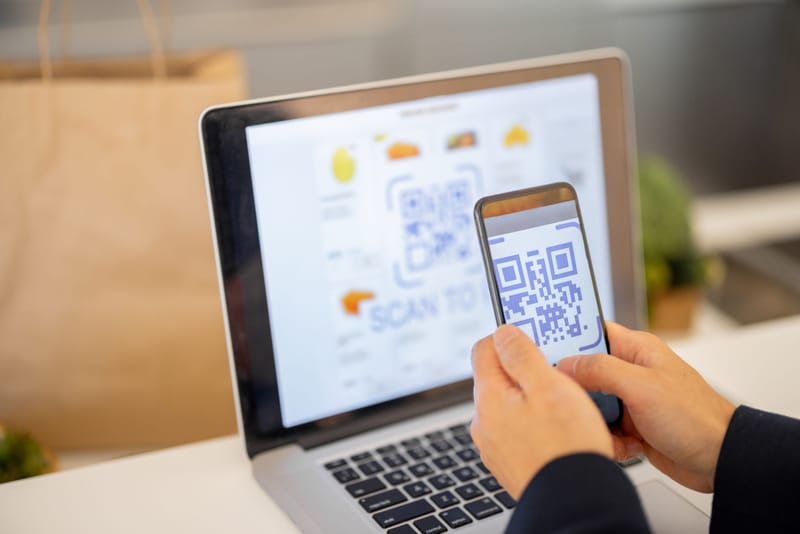
The integration of the LLIMAGER Companion App into the forensic workflow introduces an external "witness" that is fundamentally independent of the target computer’s hardware. When a technician uses the mobile app to scan the acquisition QR code, the system doesn't rely on a manually entered date or the potentially compromised clock of the Mac being imaged. Instead, the app captures the Carrier-Synced Network Time—a high-precision timestamp provided by the cellular service provider or GPS satellite network. This creates a "Hard Time" mark that is synchronized to global standards, ensuring that the very first step of the digital chain of custody is anchored to an objective, non-spoofable chronological source.
This carrier-synced timestamp serves as a definitive rebuttal to one of the most common defenses in digital litigation: the "System Clock Manipulation" theory. In many cases, opposing counsel will argue that a forensic image is unreliable because the computer’s internal clock was set incorrectly, either by accident or as a deliberate attempt to obfuscate the timeline of events. By capturing the network time via a secondary mobile device at the moment of collection, LLIMAGER provides a contemporaneous record that exists outside the target machine's environment. This "Out-of-Band" verification proves exactly when the tech was standing in front of the machine, regardless of what the machine’s own clock might have claimed.
Beyond mere chronology, the Companion App scan acts as the "Physical-to-Digital Bridge" for the entire verification ecosystem. At the millisecond the scan occurs, the app marries the network time with the device's verified GPS coordinates, creating a multi-dimensional "snapshot" of the acquisition event. This data is then bundled with the cryptographic hash of the image and prepared for portal ingestion. By using a device that is inherently connected to the global telecommunications infrastructure, the LLIMAGER workflow ensures that the forensic log is grounded in real-world physics and carrier-verified timing, elevating the record from a simple text file to a scientifically corroborated event.
For the forensic examiner, this automated time-capture eliminates the administrative burden and human error associated with manual logging. In legacy workflows, a tech might forget to record the start time or misread a wristwatch, creating "cracks" in the chain of custody that can be exploited during cross-examination. With the LLIMAGER Companion App, the network time is captured silently and accurately as part of the scan process. This results in a "Defense-in-Depth" timeline where the mobile carrier, the central server, and the blockchain all act as independent corroborators, providing the most legally resilient chronological foundation available in the forensic industry today.